
Responding to Oral Mucous Membrane Exposure in Custody
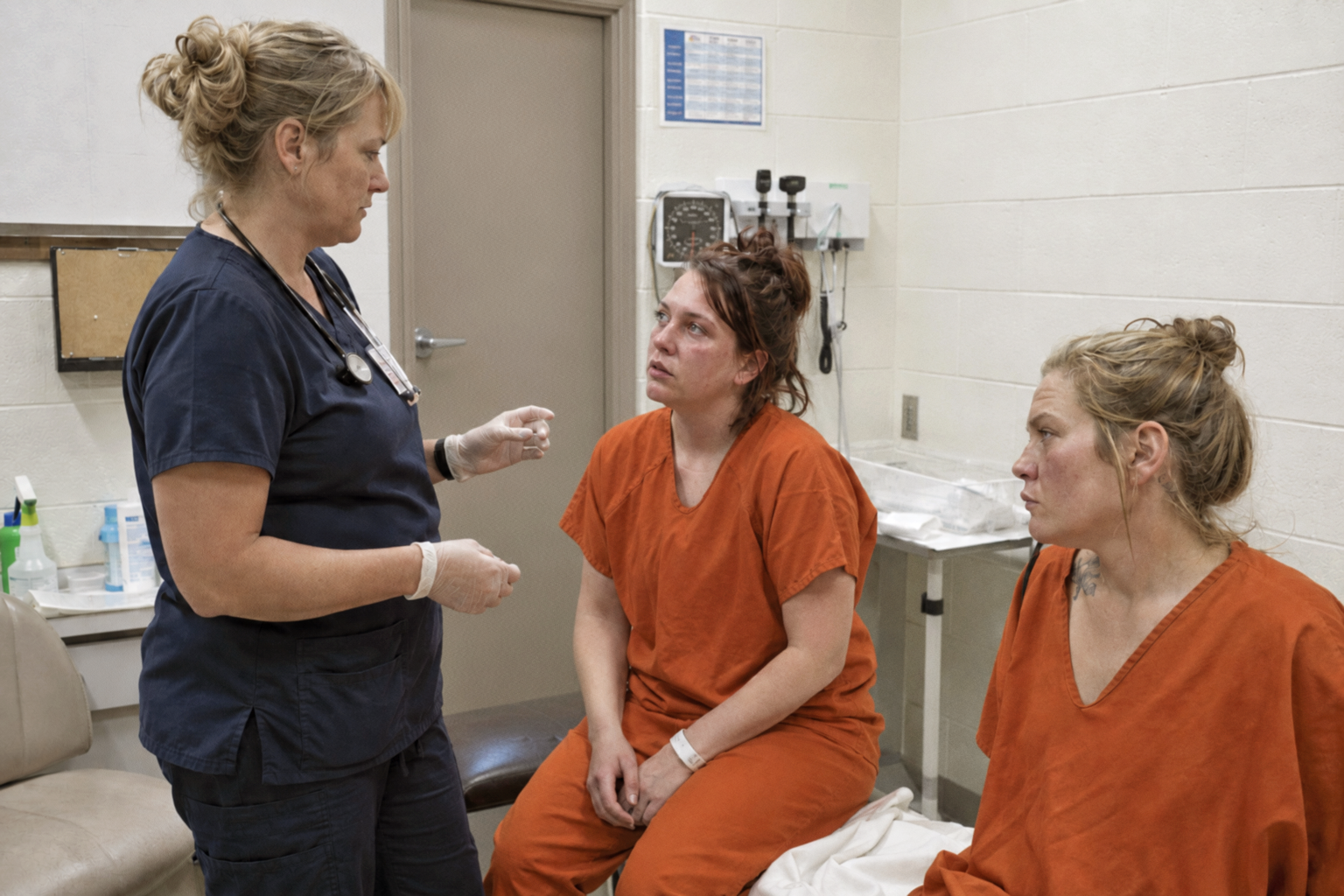
Recently, correctional officers contacted a physician after an assault involving two patients in custody. According to the initial report, a female patient with a behavioral health history inserted her fingers into her own vagina, wiped vaginal fluid on another patient’s face, and then placed the same fingers into the exposed patient’s mouth. Officers reported that the exposed patient rinsed her mouth at the scene, with no obvious oral bleeding noted. Both patients remained in custody.
Oral mucous membrane exposures in correctional settings can create uncertainty for custody staff, healthcare staff, and the patient involved. A calm, structured response can help guide care decisions, communication, documentation, and follow-up.
Start With Immediate Care
The first step is to stop the exposure and reduce further contact with bodily fluid. During initial assessment, it is important to wear appropriate PPE, practice good hand hygiene, safely dispose of sharps, and follow standard precautions with every patient, every time. Wash the affected area with soap and water for several minutes. Do not induce vomiting.
Healthcare staff can then inspect the oral cavity for cuts, bleeding, lesions, or other findings that may affect the clinical assessment. If bleeding is present, gentle irrigation may be appropriate. Aggressive scrubbing is not recommended.
Custody and healthcare teams can coordinate movement to medical evaluation while maintaining appropriate security and supervision.
Complete a Focused Assessment
Quick reporting is critical because some preventive treatments are most effective when started as soon as possible. A clear exposure history helps guide testing and treatment decisions.
Documentation can include the time of exposure, sequence of events, type of contact, whether either inmate had visible bleeding, whether the exposed inmate had oral wounds, and any known HIV, hepatitis, or STI history.
The exposed inmate can also be assessed for factors that may affect medical decisions, including immunosuppression, ability to consent, and expected release timing.
Baseline Testing to Guide Follow-Up
Baseline testing gives the care team a reference point for later comparison. For the exposed inmate, testing may include:
HIV fourth-generation antigen/antibody testing, hepatitis B testing, hepatitis C antibody testing, and pharyngeal testing for gonorrhea and chlamydia when available.
HSV testing may be considered if oral lesions are present. For the source inmate, testing may include rapid HIV testing, hepatitis B surface antigen, hepatitis C antibody or RNA when indicated, and genital STI testing when feasible and permitted.
HIV PEP May Not Be Indicated for Uncomplicated Oral Exposure
Post-exposure prophylaxis (PEP) may be considered when the source inmate is known to be HIV-positive, especially with detectable viremia, or when visible blood was present on the fingers or in the mouth.
When PEP is clinically indicated, it is time-sensitive and is generally most effective when started within 72 hours. Baseline labs and follow-up testing can be arranged. When PEP is not started, the care plan can still include education, documentation, and repeat testing at recommended intervals.
Address Hepatitis B and Hepatitis C Separately
Hepatitis B management depends on the exposed inmate’s immunity and the source inmate’s status. If the exposed inmate is immune, no further hepatitis B action may be indicated. If immunity is unknown or absent, vaccination may be started. HBIG may be considered depending on the source inmate’s status, exposure details, and local guidance.
Hepatitis C does not have post-exposure prophylaxis. The response is based on baseline testing and follow-up testing, including possible HCV RNA testing at 4 to 6 weeks and repeat testing around 3 months when clinically indicated.
Manage STI Concerns Based on the Exposure
Oropharyngeal gonorrhea transmission from genital fluid to mouth through fingers is possible but uncommon. Testing is helpful, especially pharyngeal NAAT for gonorrhea and chlamydia when available.
Empiric STI treatment may be considered when the exposure was nonconsensual or when the source inmate has factors that increase clinical concern. Options may include ceftriaxone, doxycycline when indicated, and metronidazole in selected circumstances consistent with local practice.
If the exposed inmate develops sore throat, oral lesions, or other symptoms, testing and treatment can be adjusted to the clinical picture.
Provide Counseling and Clear Follow-Up Instructions
The exposed inmate can benefit from a plain-language explanation of the exposure, recommended testing, treatment options, and the rationale for starting or not starting HIV PEP. Consent for testing and treatment should be documented.
Written follow-up instructions are helpful, especially if the inmate may be released before repeat testing occurs. If release is possible, the plan may include medication access when applicable, referral information, and a written clinical summary.
When responding to oral mucous membrane exposure in custody, remember:
Have the exposed inmate rinse the mouth with water or saline.
Assess the oral cavity for bleeding, cuts, or lesions.
Document the exposure timeline, fluid contact, bleeding status, and known medical history.
Order baseline HIV, hepatitis B, hepatitis C, and STI testing as appropriate.
Determine whether post-exposure prophylaxis (PEP) for human immunodeficiency virus is clinically indicated.
Review hepatitis B immunity and vaccination status.
Plan follow-up testing before release or through community referral.
Document counseling, consent, treatment decisions, and follow-up instructions.
Correctional healthcare teams benefit from a clear, practical process for evaluating mucous membrane exposures. A consistent response supports timely care, communication between custody and healthcare staff, and clear documentation when unusual exposure events occur.
Review your current exposure response process, confirm that staff know who to contact after hours, and make sure follow-up testing plans are documented before the inmate leaves custody.
Creating a safe correctional environment is a shared responsibility. Strong communication, timely reporting, and teamwork help protect staff and support safer patient care for everyone.
Patient Safety Organization (PSO) Disclaimer:
All materials have been prepared for general educational and informational purposes only. The information presented should be treated as guidelines, not rules. The information presented is not intended to establish a standard of medical care and is not a substitute for common sense. The information presented is not legal advice, is not to be acted on as such, may not be current, and is subject to change without notice. Each situation should be addressed on a case-by-case basis. It does not contain Patient Safety Work Product (PSWP), does not constitute legal or regulatory advice, and does not replace an organization’s internal quality assurance, risk management, or compliance activities. PSO confidentiality and privilege protections under the Patient Safety and Quality Improvement Act of 2005 (PSQIA) apply only to information that is formally developed, submitted, or maintained as PSWP in accordance with an executed PSO participation agreement and applicable federal regulations.