
How Correctional Facilities Can Learn from Medical Events—and Why It Matters
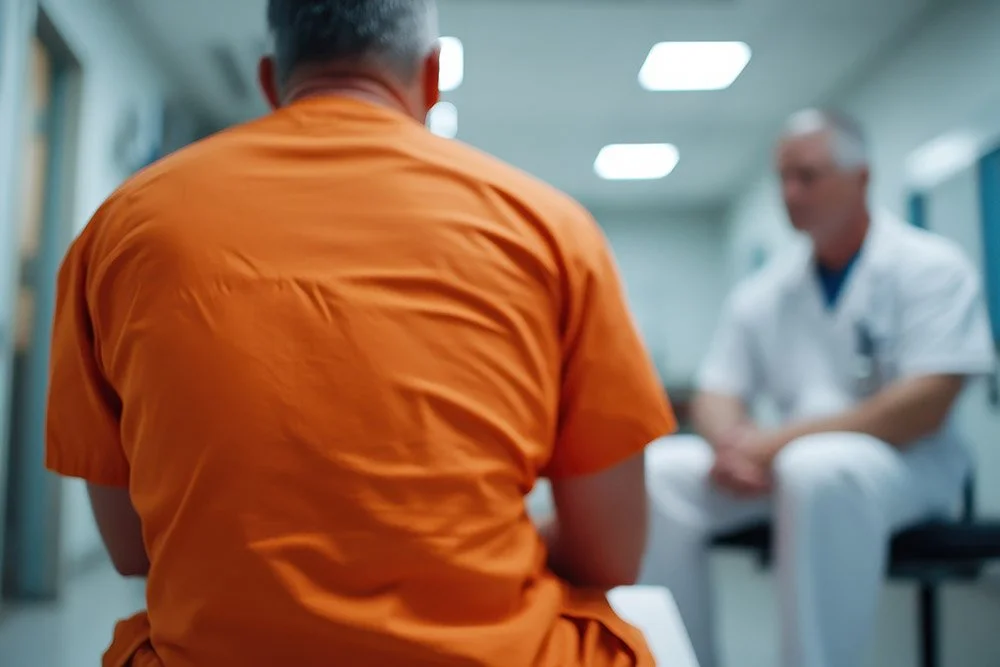
In correctional healthcare, challenges are inevitable. Facilities care for people with complex medical needs, limited medical histories, high rates of mental illness and substance use, and constant operational pressure. What separates strong organizations from struggling ones is how they learn from problems and prevent them from happening again.
Three Ways Facilities Learn From Problems
1. Looking Back: Learning After a Serious Event (RCA)
A Root Cause Analysis (RCA) is a structured review that focuses on system breakdowns rather than individual blame. When a significant medical or safety event occurs—such as a death in custody, delayed care, or missed withdrawal—leaders need to understand why it happened. The goal is to fix the system so that the same event does not happen again.
2. Checking In: Learning Quickly from Everyday Incidents, the Apparent Cause Analysis (ACA)
Not every issue calls for a lengthy investigation. Quick reviews after incidents help teams learn what worked, what did not, and what should change to help stop future issues from escalating.
3. Looking Ahead: Preventing Problems Before They Happen (FMEA)
Failure Mode and Effects Analysis (FMEA) is a preventive review that examines high-risk processes. For example, intake screening, medication administration, or withdrawal monitoring expose facilities to potential risk. The goal of FMEA is to identify potential failure points and proactively reduce risk.
The Bottom Line
How an event is reviewed matters. Legal or disciplinary reviews focus on compliance and liability, which often limit honest discussion and allow the same problems to recur. An AHRQ-recognized Patient Safety Organization (PSO) provides federal confidentiality protection, enabling teams to openly review events, learn from them, and fix system issues without increasing legal risk. These reviews focus on learning how we can work together to improve.
Patient safety activities conducted within an AHRQ-listed Patient Safety Organization (PSO) are protected under the federal Patient Safety and Quality Improvement Act of 2005 (PSQIA). Information developed for and reported to a PSO as Patient Safety Work Product (PSWP) is confidential and privileged, and generally not subject to discovery, subpoena, or public disclosure. These protections are designed to support candid reporting, honest review, and system-wide learning focused on improving patient safety—not assigning blame.